
 By
By 
Most teams do not struggle with setting goals. They struggle with staying connected to them after the excitement fades. A whiteboard fills up. The planning meeting ended. And slowly, daily work drifts away from those big intentions. This is precisely the point at which OKRs begin to make sense not as theory, but as a practical method for keeping goals alive amidst the uproar of real work.
OKR training is the missing link between ambition and execution in most organizations. A professional organization, such as Wave Nine, helps groups learn how to create OKRs that are not only inspiring but also practical. Leaders and teams are taught to set outcomes clearly, measure progress with confidence, and get everybody in sync with what success actually looks like through guided sessions. People start working with common sense rather than guessing at priorities.
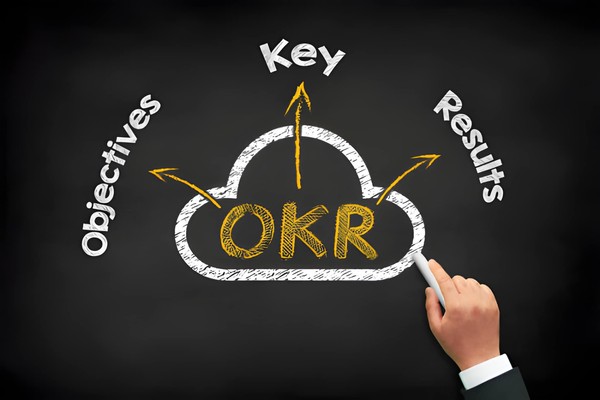
Understanding the Core of OKRs
OKRs are built on two simple pieces:
- Objectives – what you want to achieve
- Key Results – how you will measure that achievement
There are no complicated layers and no corporate jargon.
An objective might be something bold and directional, like improving customer experience. The key results turn that into action:
- Increase satisfaction score from 78% to 90%
- Reduce support response time to under 2 hours
- Cut repeat complaints by 30%
Suddenly, the goal feels trackable, real, and less abstract.
Building Strategy Around What Actually Matters
Before writing any OKRs, pause. Ask a hard question: What truly matters this quarter?
A focused strategy usually looks like this:
- Identify one or two major priorities for the period
- Create 3 to 4 objectives that support those priorities
- Attach measurable key results to each objective
Too many OKRs dilute focus. A few well-defined ones sharpen it.
This is where teams often feel relief. There is less noise. Fewer distractions. More direction.
Making OKRs a Team Effort, not a Management Exercise
Rolling out OKRs should not feel like an announcement from leadership. It works better as a conversation.
Try:
- Short workshops to walk through objectives
- Open discussions on how each role contributes
- Encouraging teams to question and refine key results
When people help shape the goals, they stop seeing them as tasks and start seeing them as commitments.
The Power of Regular Check-Ins
OKRs are not “set and forget.”
Healthy OKR rhythm includes:
- Weekly or biweekly progress reviews
- Adjusting key results when reality shifts
- Celebrating small wins along the way
These check-ins keep goals from fading into the background. They stay visible, active, and relevant.
Why OKR Training Changes the Game
Without guidance, OKRs can feel confusing. With proper training, they feel empowered.
Teams begin to:
- Speak the same performance language
- Understand what progress actually looks like
- Stay aligned even when workloads increase
And with time, something interesting occurs. Goals are no longer rhetorical and begin to enter the thought processes. It is then that OKRs cease to feel like frameworks, but rather like habits, the sort of habits that build and sustain teams with a bit of measurable steps at a time.Top of Form










Comments